 |
| Indian Cupid (Everes lacturnus) |
Tuesday, 11 December 2018

සමනළයාගේ ඉතිහාසය
අපි යමක් ගැන ඉගෙනගනිද්දි ඒ සම්බන්ධ ඉතිහාසය සහ ආරම්භය ගැන දැනගෙන ඉන්න ඕනේ. ඒකෙන් අත් වෙන ප්රයෝජන බොහොමයි. ඒ නිසා අද මං හිතුවා සමනළයාගේ ඉතිහාසය ගැන කතා කරන්න.
සමනළයාගේ මූලාරම්භය, පරිණාමය සහ විවිධත්වය ගැන අපි කතා කරමු.
අපි අවුරුදු මිලියන ගණනින් අතීතයට යන්නෙ මේ වෙද්දි අපිට දකින්න ඉතුරු වෙලා තියෙන සාක්ෂි ඔස්සේ. පොසිල තමයි සත්තුන්ගෙ ඉතිහාසයට යන්න තියෙන හොඳම සාක්ෂි. ඒත් සමනළයා ඉතාම සියුම් සතෙක්නෙ. ඒ නිසා සමනළුන්ගෙ පොසිල හම්බවෙන්නෙ ඉතාමත් අඩුවෙන්. ඇත්තටම කියනවනම් fossil record එකේ සමනළුන්ගෙ හොඳ සුරක්ෂිත පොසිල හම්බවෙන්න පටන්ගන්නකොට දැනට ඉන්න පවුල් ඔක්කොම වගේ වෙන් වෙලා ඉවරයි.
සලඹයො සමනළුන්ගෙ වැඩිමහල් ඥාතියො. එයාලා ගොඩක් පරණ ජීවීන්. මුල්ම lepidopteran පොසිල හම්බවෙන්නෙ සලඹයන්ගෙ. ඒ කියන්නෙ අවුරුදු මිලියන 190ක් විතර පරණ Archaeolepis mane කියන සලඹයගෙ තමයි හොඳ තත්ත්වයෙන් සුරක්ෂිත පැරණිම lepidopteran පොසිලය (මේ කතා කරන්නෙ පහළ ජුරාසික් අවධිය ගැන).
කොහොමෙන් කොහොමෙන් හරි විද්යාඥයෝ ඇස්තමේන්තු කරලා තියෙනවා සමනළයා මුලින්ම සලඹයාගෙන් වෙන් වුනේ දැනට අවුරුදු මිලියන 135-65 අතරේ ඒ කියන්නෙ ක්රිටේෂීය අවධියෙදි කියලා.
ඉන්සෙක්ටාවන් බහුතරය වගේ සමනළුන්ගෙත් පරිණාමය සපුෂ්ප ශාක පරිණාමය එක්ක බොහොම ළඟින් සම්බන්ධ වෙනවා.
සමනළයාගේ මූලාරම්භය, පරිණාමය සහ විවිධත්වය ගැන අපි කතා කරමු.
අපි අවුරුදු මිලියන ගණනින් අතීතයට යන්නෙ මේ වෙද්දි අපිට දකින්න ඉතුරු වෙලා තියෙන සාක්ෂි ඔස්සේ. පොසිල තමයි සත්තුන්ගෙ ඉතිහාසයට යන්න තියෙන හොඳම සාක්ෂි. ඒත් සමනළයා ඉතාම සියුම් සතෙක්නෙ. ඒ නිසා සමනළුන්ගෙ පොසිල හම්බවෙන්නෙ ඉතාමත් අඩුවෙන්. ඇත්තටම කියනවනම් fossil record එකේ සමනළුන්ගෙ හොඳ සුරක්ෂිත පොසිල හම්බවෙන්න පටන්ගන්නකොට දැනට ඉන්න පවුල් ඔක්කොම වගේ වෙන් වෙලා ඉවරයි.
සලඹයො සමනළුන්ගෙ වැඩිමහල් ඥාතියො. එයාලා ගොඩක් පරණ ජීවීන්. මුල්ම lepidopteran පොසිල හම්බවෙන්නෙ සලඹයන්ගෙ. ඒ කියන්නෙ අවුරුදු මිලියන 190ක් විතර පරණ Archaeolepis mane කියන සලඹයගෙ තමයි හොඳ තත්ත්වයෙන් සුරක්ෂිත පැරණිම lepidopteran පොසිලය (මේ කතා කරන්නෙ පහළ ජුරාසික් අවධිය ගැන).
කොහොමෙන් කොහොමෙන් හරි විද්යාඥයෝ ඇස්තමේන්තු කරලා තියෙනවා සමනළයා මුලින්ම සලඹයාගෙන් වෙන් වුනේ දැනට අවුරුදු මිලියන 135-65 අතරේ ඒ කියන්නෙ ක්රිටේෂීය අවධියෙදි කියලා.
ඉන්සෙක්ටාවන් බහුතරය වගේ සමනළුන්ගෙත් පරිණාමය සපුෂ්ප ශාක පරිණාමය එක්ක බොහොම ළඟින් සම්බන්ධ වෙනවා.
 |
| Fossil Papilionid Butterfly Lithopsyche antiqua from Early Oligocene. photo by-Chiswick Chap |
- Hedyloidea - moth butterflies (මේගොල්ලො ඉන්නෙ උතුරු සහ දකුණු ඇමරිකානු මහද්වීප වල විතරයි)
- Papilionoidea - true butterflies(සත්ය සමන්ළුන්)
- Papilionidae - swallowtails, apollos and birdwings
- Pieridae - yellows and whites
- Nymphalidae - brush footed butterflies
- Lycaenidae - blues
- Riodinidae - metalmark butterflies
- Hespiriidae - skippers (මෙයාලා ඉස්සර වෙනම superfamily එකක් හැටියට තමයි සැලකුවේ. ඒත් අණුක විද්යාත්මක තොරතුරු එක්ක මෙයාලා සත්ය සමනළුන්ටම අයිති කොටසක් හැටියට දැන් පිලිගන්නවා)
 |
Phylogenetic relationships of butterfly families
|
සමනළයා කියන්නෙ කවුද?
සමනළයෝ කියලා කියන්නේ සාමාන්යයෙන් දිවාචර ඒ කියන්නෙ දවල් කාලයේ ක්රියාකාරී කෘමි කොට්ටාශයක්(ඒත් උදේ සහ හවස් කාලයේ විතරක් ක්රියාකාරී විශේෂ කිහිපයකුත් ඉන්නවා). විද්යාත්මකව කිවුවොත් Animalia රාජධානියේ, Arthropoda වංශයේ, Insecta වර්ගයේ, Lepidoptera ගෝත්රයට අයිති ජීවීන් කොටසක්. Lepidoptera තක්සෝනයට සලඹයොත් අයිති වෙනවා(සමනළයයි සලඹයයි වෙන් කරන ලක්ෂණ අපි වෙන දවසක කතා කරමු).
දැනට ලෝකයේ සමනළ විශේෂ 18 500 ක් විතර විද්යාවෙන් විස්තර කරලා තියෙනවා. ඇන්ටාක්ටිකාව හරුණාම අනිත් හැම මහාද්වීපයකම සමනළුන් බලාගන්න පුලුවන්. ඒ වගේමයි සමනළයාට දිග ඉතිහාසෙකුත් තියෙනවා. දැනට තහවුරු පැරණිම සමනළ පොසිලය අවුරුදු මිලියන 56 විතර කාලයක් පරණයි (ඒ කියන්නෙ Paleocine epoch එක ඇතුලෙ).
සමනළුන්ගෙ පොදු රූප විදයාත්මක ලක්ෂණ කිහිපයක් බලමු,
- සමනළයා කෘමියෙක්නෙ(ඒ කියන්නෙ class Insecta), ඒ නිසා එයාලට ඉන්සෙක්ටාවන්ට පොදු ලක්ෂණ පිහිටනවා. ඇඟ හිස, උරස සහ උදරය කියලා කොටස් 3කට බෙදිල තියෙනවා පැහදිලිවම.
- හිසේ සංයුක්ත ඇස් දෙකක්,
- ඇන්ටෙනා දෙකක්,
- පැල්පි කියලා අවයව දෙකකුත්,
- විශේෂයෙන්ම ලෙපිඩොප්ටෙරාවන්ට අවේණික c හැඩ අර්ධ නාලිකා දෙකක් එකතු වෙලා හැදෙන “ශුන්ඩාව“ කියන නාළාකාර ව්යූහයත් තියෙනවා.(මේ ශුන්ඩාව හැදිලතියෙන්නෙ සමාන අර්ධ නාළ දෙකකින් නිසා “සමාන නළ ඇති කියන එක නිසා එයා සමනළයා වුණා“ කියලා දැනගන්න. සුද්දා බටර් පාට නිසා butterfly කිවුවට අපේ සිංහලයෝ මේ චූටි සතාගෙ සියුම් ව්යූහයන් පවා දැනගෙන තමයි මෙ නම දාල තියෙන්නෙ.)
- උරසට සන්ධි පාද යුගල් 3ක් ඒ කියන්නෙ පාද 6ක් සහ
- පියාපත් යුගල් 2ක් ඒ කියන්නෙ පියාපත් 4ක් සම්බන්ධයි. මේ පියාපත් කුරුල්ලන්ගෙ එව්ව වගේනම් නෙමෙයි. ශල්ක කියලා සියුම් ව්යුහ මිලියන ගානකින් තමයි හැදිල තියෙන්නෙ(සමනළයෙක් ඇල්ලුවහම අතෙ ගෑවෙන්නෙ මෙව්වා).
සමනළයා චලතාපී සතෙක්, එයා ක්රියාකාරී වෙන්න අවශ්යය දේහ උෂ්ණත්වය ලබාගන්නේ අව්වට වෙලා ටිකක් වෙලා අව්ව තැපලා.
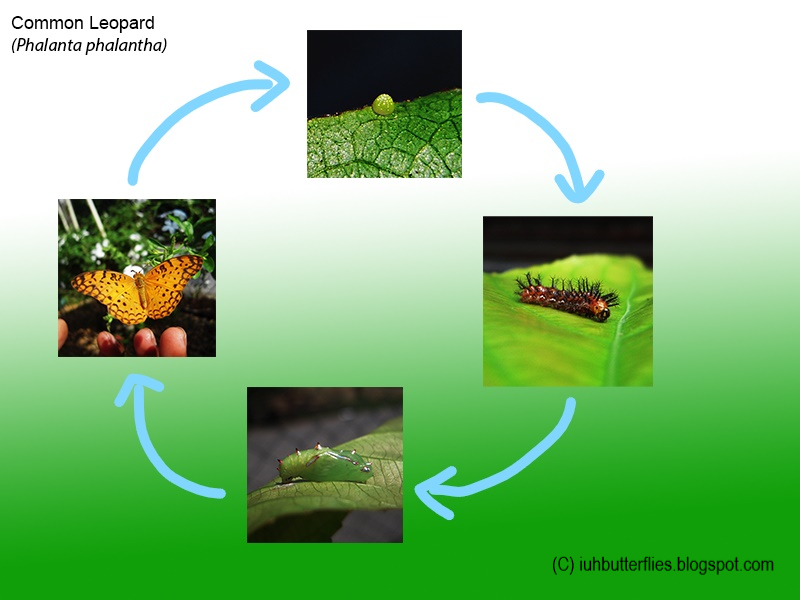
අපි ලස්සනයි කියලා බලන පියාඹන සමනළයා එයාගෙ ජීවන චක්රයෙ අවසාන අවස්ථාව විතරයි. සමනළයා සම්පූර්ණ රූපාන්තරණය සිදු කරන සත්ත්ව කොටසක්(බිත්තරය,කීටයා/දැළඹුවා, පිළවා/කෝෂය සහ සුහුඹුලා/සමනළයා කියලා අවධි 4ක් තියෙනවා).
මවු සමනළයා බිත්තර දාන්නෙ එයාගෙ විශේෂයට අවේණික වූ ගස් වර්ග වල විතරයි(උදාහරණෙකට කිවුවොත් Sri Lankan Birdwing (Troides darsius) කියන සමනළයා බිත්තර දාන්නෙ සප්සඳ (Aristolochia indica) කියන වැල් වර්ගයේ විතරයි). Apefly කියන සමනළයාගෙ දැළඹුවා විතරක් පිටි මකුණන්ව ආහාරයට ගන්නවා ගස් වර්ග කන්නෙ නැතුව.
බිත්තරෙන් එලියට එන දැළඹුවා ධාරක ශාකය හොඳ හැටියට අනුභව කරමින් 4 වතාවක් හැව අරිමින් ටිකෙන් ටික ලොකු වෙනවා. ඊට පස්සෙ හොඳ තැනක් බලලා එතන පිලිවෙලක් කරගෙන 5 වෙනි හැව ඇරලා කෝෂයක් හදාගන්නවා. නිසි කාලය ගත වුනහම හරි සුදුසු කාලය ආවහම හරි මේකෙන් එලියට එන්නෙ ලස්සන වර්ණවත් සමනළයෙක්. ඔන්න ඕකයි ජීවන චක්රය.
Tuesday, 2 October 2018
Origin and Evolution
When we study something, history and origin of it are major fields to be explored for they shed more light in understanding the future than anything else. So I thought of giving You guys a brief but a scientific history on butterflies and their evolution.
- Origin is the beginning of life forms as we discuss in evolution theory
- Origin and diversification of butterflies over the geologic time is the evolution of butterflies
Many ancient species, their origins and evolution can be unveiled in fossils, dating back millions of years. However in the case of lepidopterans (butterflies and moths are collectively called as Lepidopterans) fossils are of not such good use. They are delicate creatures and that delicacy prevents them from forming good fossils for us to study.
There are only a few well preserved fossils of early lepidopterans (such as the 40 million years old Prodryas persophone of the Eocene).These creatures are remarkably not that different from present day forms. Archaeolepis mane is one of the earliest known lepidopteran fossils which is from lower Jurassic (190 million years ago).
There are fossil evidence which dates back 201.3 million
years into the Triassic-Jurassic boundary but they are not complete fossils.
These fossils suggest a Norian (212 million years ago) divergence of glossatan
and non-glossatan lepidopterans in molecular estimates. (van Eldijk, Timo J. B.; Wappler,
Torsten; Strother, Paul K.; van der Weijst, Carolien M. H.; Rajaei, Hossein;
Visscher, Henk; van de Schootbrugge, Bas (10 January 2018). "A
Triassic-Jurassic window into the evolution of Lepidoptera". Science
Advances.)
Many describe that butterflies
developed in Cretaceous Period (65 million to 135 million years ago) diverging
from a moth lineage. By 80 million years ago all the modern day butterfly
families were well differentiated.
As of many insects, evolution of
butterflies are also closely linked with the evolution of flowering plants.
|
| Fossil Papilionid Butterfly Lithopsyche antiqua from Early Oligocene. photo by-Chiswick Chap |
- Hedyloidea - moth butterflies
- Papilionoidea - true butterflies
Superfamily Papilionoidea or true butterflies consists of six distinct families,
- Papilionidae - swallowtails, apollos and birdwings
- Pieridae - yellows and whites
- Nymphalidae - brush footed butterflies
- Lycaenidae - blues
- Riodinidae - metalmark butterflies
- Hespiriidae - skippers (Hespirids were treated as a separate superfamily until recent molecular phylogenetics proved otherwise)
Tuesday, 17 July 2018
Butterflies, who are they?
Every person on earth knows that butterfly is the unique, beautiful, delicate, flying creature who drinks nectar from flowers. But the butterfly is one of the most diverse group of organisms who shows a great amount of diversity from simply the colouration to everything else it does.
Taxonomic data gives us the information, where does it belong in the tree of life.
Kingdom: Animalia
Phylum: Arthropoda
Class: Insecta
Order: Lepidoptera
Superfamily: Papilionoidea
"Butterflies are distributed worldwide except Antarctica, totalling some 18,500 species. Of these, 775 are Nearctic; 7,700 Neotropical; 1,575 Palearctic; 3,650 Afrotropical; and 4,800 are distributed across the combined Oriental and Australian/Oceania regions."
-Wikipedia
-Wikipedia
Some morphological characters of adult butterflies,
- They have scaled wings and body. (Moths and butterflies both share this character)
- They have two pairs of wings, which means in total they have four wings.
- They have bodies comprising of three tagmata; a head, a thorax and an abdomen.
- They have a pair of antenna on their heads.
- They have a proboscis to take food.
- They have three pairs of legs. (six legs)
The colourful flying insect who we call butterfly, has a life cycle. Only the last phase of it is the flying butterfly.
Egg to Larva, Larva to Pupa, Pupa to Imago (or the butterfly we image). Butterflies lay their eggs in unique patterns and places and most importantly on specific plants (Though there are some larvae who feed on living tissue). Butterflies have specific host plants on which they lay eggs. And the emerging larvae (or in common tongue caterpillars) eat the host plant and grow molting several times as they grow bigger in size. At some point they stop eating and pupate. They make a pupa and go into an inactive phase. in the pupal stage, the morphological features of the caterpillar disappear and the imago or the adult butterfly is slowly grow inside. When this process is complete it leaves the pupa, come out, spread its wings and fly away starting the cycle again.
Wednesday, 11 July 2018
Work Resumed
Hi all,
I'm back. I couldn't continue my blogging as I had to complete my exams, which are held in order to obtain ranks for getting selected into government universities in Sri Lanka. But I haven't stopped or paused my work on Lepidoptera of Sri Lanka. In fact I have so much to share with the world. First I will be posting the past work done from around 2008 to 2013. I hope you guys will enjoy my work. Ideas and suggestions altogether with corrections are welcome. Special thanks goes to Tharindu malli who kindled the idea of sharing my work again.

I'm back. I couldn't continue my blogging as I had to complete my exams, which are held in order to obtain ranks for getting selected into government universities in Sri Lanka. But I haven't stopped or paused my work on Lepidoptera of Sri Lanka. In fact I have so much to share with the world. First I will be posting the past work done from around 2008 to 2013. I hope you guys will enjoy my work. Ideas and suggestions altogether with corrections are welcome. Special thanks goes to Tharindu malli who kindled the idea of sharing my work again.

Castalius rosimon (Common Pierrot)
Saturday, 29 June 2013
Butterfly
 |
Lime Butterfly (Papilio demoleus) |
Butterflies exhibit polymorphism, mimicry and aposematism. Some, like the Monarch, will migrate over long distances. Some butterflies have evolved symbiotic and parasitic relationships with social insects such as ants. Some species are pests because in their larval stages they can damage domestic crops or trees; however, some species are agents of pollination of some plants, and caterpillars of a few butterflies eat harmful insects. Culturally, butterflies are a popular motif in the visual and literary arts.
-Wikipedia-
Subscribe to:
Posts (Atom)
